SG Local
Mobile image

PART 1:

The Landscape - Types of Accommodation

First, you need to know what your options are, as the rules differ significantly.

1. University Hostels (On-Campus)

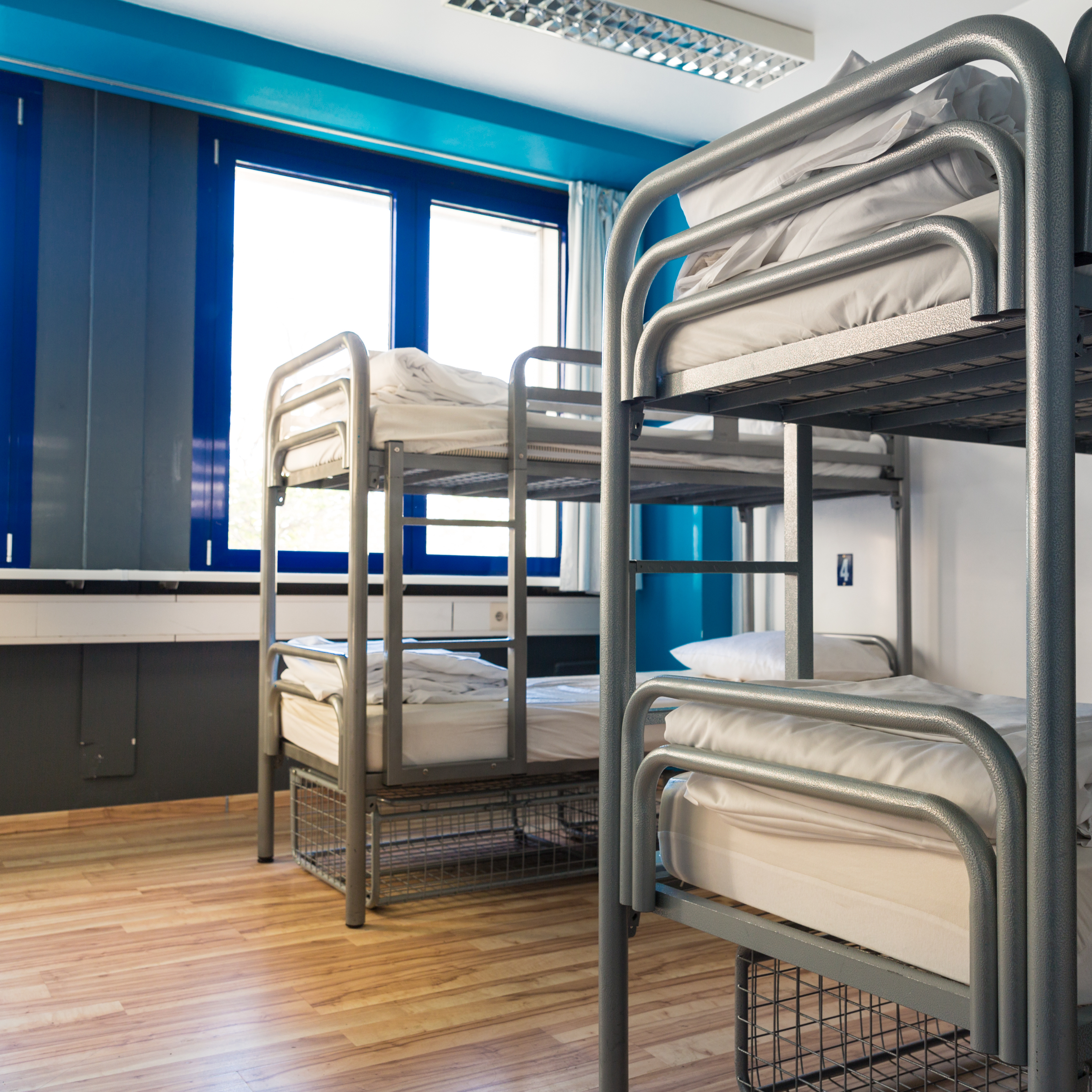
CULTURE: Highly competitive, especially for international students. Allocation is often not guaranteed and may be based on a balloting system, academic merit, or extracurricular contributions. PROS: Proximity to campus, inclusive utilities, built-in social community, often includes meal plans. CONS: Limited spaces, can be more expensive than some off-campus options, strict rules (e.g., guests, noise).
Mobile image

2. Housing & Development Board (HDB) Flats

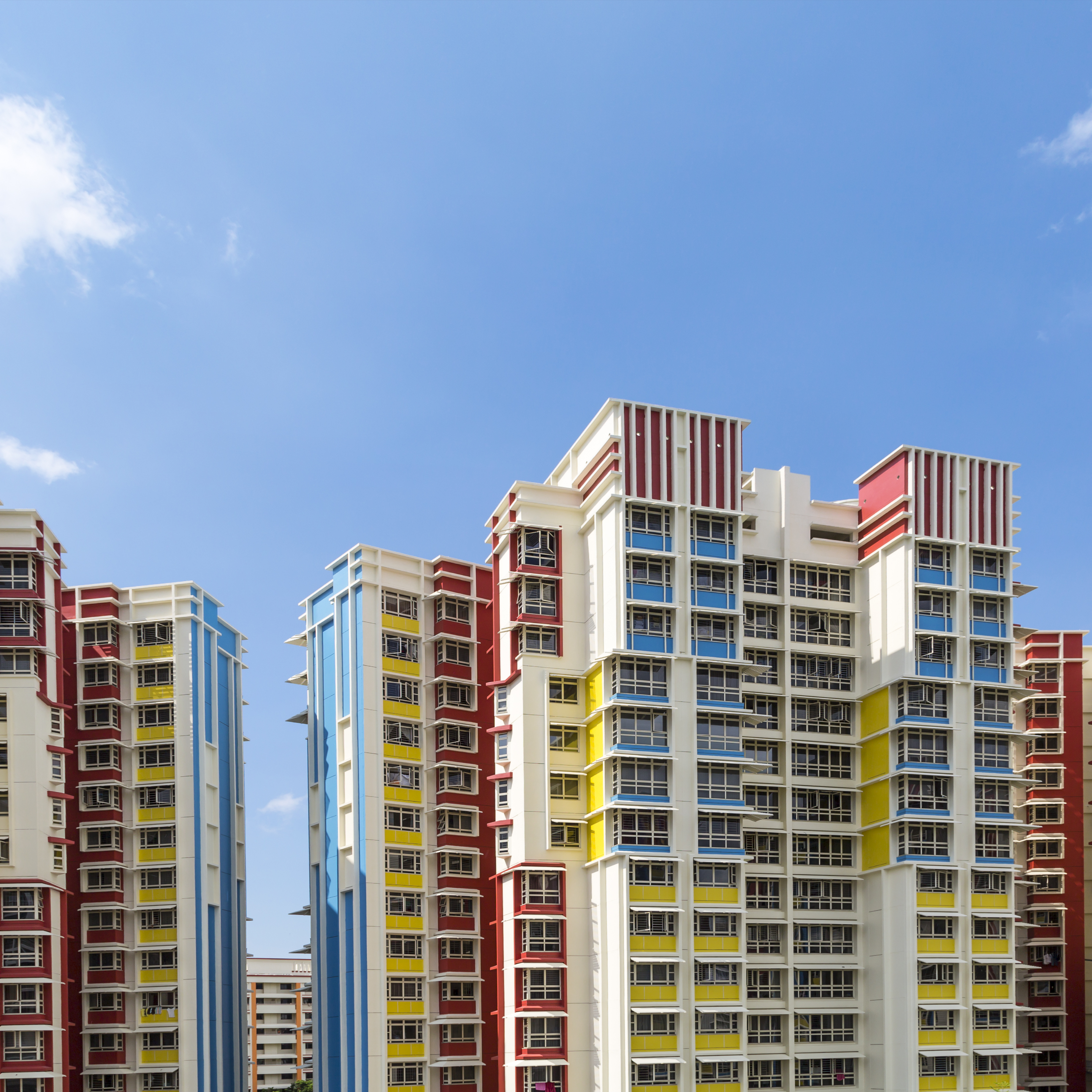
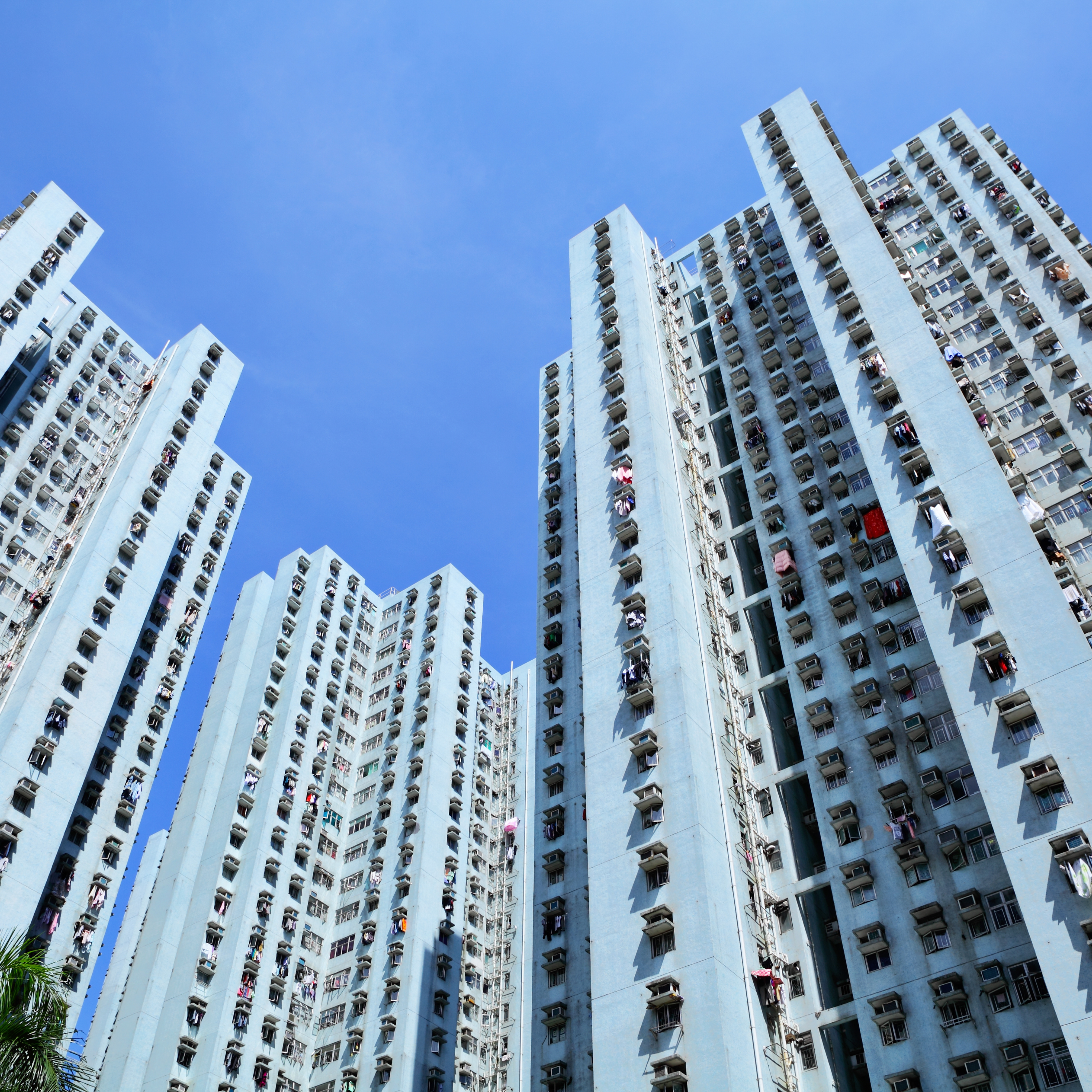
WHAT IT IS: Public housing apartments. Over 80% of Singapore's population lives in HDBs. They are a very common and authentic living experience. ELIGIBILITY: International students can only rent HDB flats from open- market private owners, not directly from the government. TYPICAL SET UP: Students typically rent a single room within a flat where the owner (the landlord) also lives.
Mobile image

3. Private Apartments/Condominiums ("Condos")

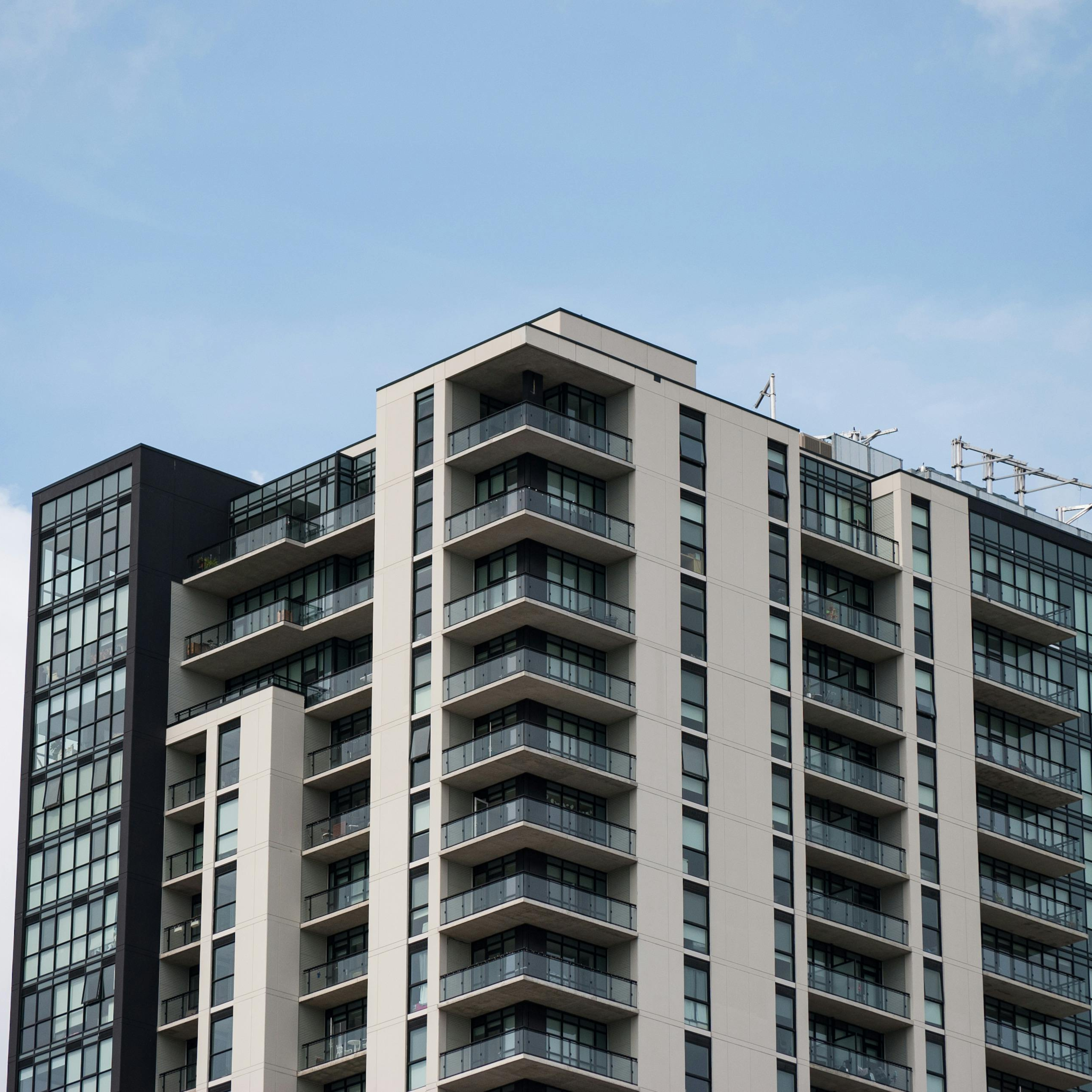
WHAT IT IS: Private residential buildings. KEY FEATURES: Almost always have a swimming pool, gym, security, and other shared facilities. The quality and space are generally higher than HDBs. TYPICAL SETUP: Students can rent a single room, or a group of students can rent an entire unit. Please be wary of scammers or renting an entire unit with strangers.
Mobile image

4. Serviced Apartments

WHAT IT IS: Hotel-like accommodations with housekeeping and amenities. These are at the high end of the budget and not common for students due to cost.
Mobile image

5. Co-Living Spaces

A GROWING TREND: Some companies rent properties from private owners and in turn offer furnished rooms in shared apartments to students/tenants with all utilities, Wi-Fi, and cleaning services included in one bill. There are usually some admin charges and house rules involved and are of mixed-gender in nature. PROS: Hassle-free, sometimes flexible lease terms, modern facilities, easy to meet people. CONS: More expensive than a traditional HDB room rental.
Mobile image

PART 2:

The Rental Culture - Key Norms and Practices

This is where understanding the local culture is vital to avoid misunderstandings.

The Agent Culture

• It's very common to use a property agent, especially for whole-unit rentals. • Commission: The standard practice is that the tenant pays the agent a commission equivalent to one month's rent for a 2-year lease. For a 1-year lease, it's often half a month's rent. Always confirm this upfront. • You can search for properties yourself on portals (see below), but an agent can handle viewings, negotiation, and paperwork.
Mobile image

The "Viewing" Culture

• Properties move incredibly fast. If you see something you like online, you must act quickly. Else, the next moment it may be taken by others. • Schedule a viewing as soon as possible or you may request to view via video- call if you are overseas. Remember to be cautious of scammers at the same time.
Mobile image

The Landlord-Tenant Relationship

• Formal and Contractual: The relationship is strictly business. Everything must be stated clearly in the Tenancy Agreement (TA). • The Tenancy Agreement (TA): This is a legally binding document. Read it thoroughly. It will cover the deposit, rental due date, repair responsibilities, house rules, and the duration of the lease. • Minimum Lease: The standard minimum lease is 6 months for private properties and 3 months for HDBs for Malaysian citizens only. For most other international tenants, a 1-year lease is the practical minimum.
Mobile image

Financials

• Security Deposit: Typically one month's rent for a one-year lease. This is held by the landlord and is refundable at the end of the tenancy, provided there is no damage to the property beyond fair wear and tear and no violation of contractual obligations. • Good Faith Deposit: Once you agree to rent a unit, you'll pay a "good faith" deposit (usually one month's rent). This secures the property for you and is later converted into your security deposit. • Advance Rental Payment: You often pay the first month's rent upon signing the TA. • Stamp Duty: A tax levied on the Tenancy Agreement. The tenant is responsible for paying it. It is 0.4% of the total rent for the lease period.
Mobile image

House Rules (Crucial to Understand)

• Air Conditioning Servicing: Most landlords require tenants to professionally service the air-con units every 3 months, at the tenant's expense. This is often written into the TA. • Cooking: Many HDB room rentals do not allow "heavy cooking" (e.g., frying, which causes oil and odour). "Light cooking" (e.g., using a microwave, toaster, boiling water) is usually permitted. Always clarify this. • Curfew/Guests: Landlords, especially those living with you, may have rules about overnight guests. This is more common in HDB room rentals. • Inventory List: A detailed list of all furniture and appliances is part of the TA. You and the landlord will check and agree on its condition during move-in. This is critical for getting your full security deposit back.
Mobile image

PART 3

A Student's Action Plan for Renting

Mobile image

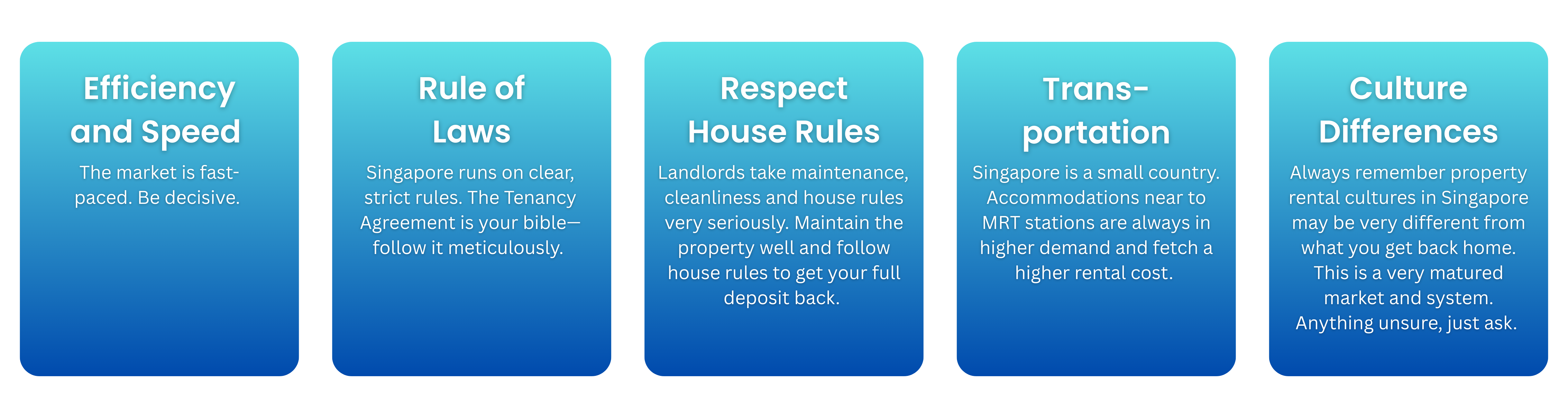
Key Cultural Takeaways

Mobile image